




Sale!
BEST SELLERS
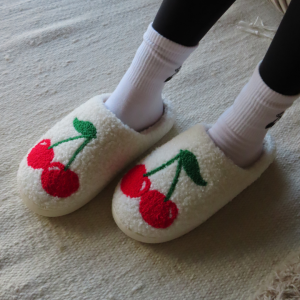
Original price was: $8.99.$4.50Current price is: $4.50.
Sale!
BEST SELLERS
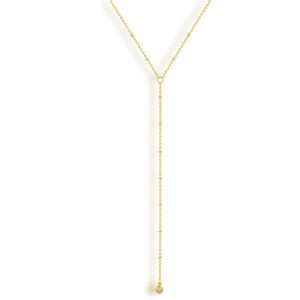
Original price was: $19.99.$3.00Current price is: $3.00.
Sale!
BEST SELLERS
Original price was: $19.99.$3.00Current price is: $3.00.
Sale!

BEST SELLERS
Original price was: $24.99.$3.00Current price is: $3.00.
Sale!
BEST SELLERS
Original price was: $22.99.$3.00Current price is: $3.00.
Sale!
BEST SELLERS
Price range: $3.00 through $9.50
Sale!
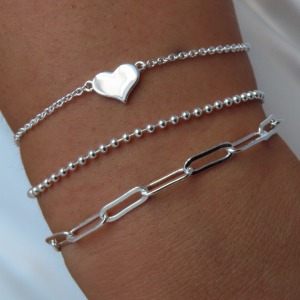
BEST SELLERS
Price range: $2.50 through $4.00
Sale!
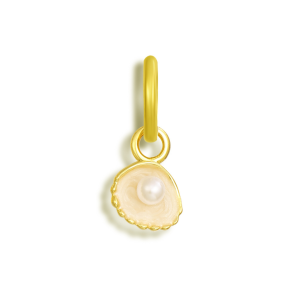
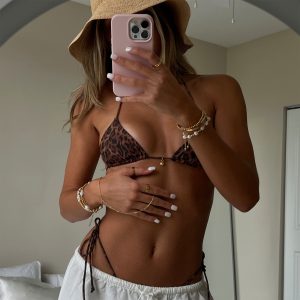
BEST SELLERS
Original price was: $16.99.$3.00Current price is: $3.00.
Sale!
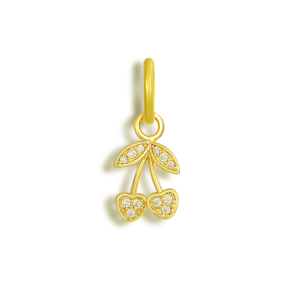
BEST SELLERS
Original price was: $16.99.$3.00Current price is: $3.00.
Sale!

BEST SELLERS
Original price was: $19.99.$7.50Current price is: $7.50.
Sale!
BEST SELLERS
$3.00
Sale!
BEST SELLERS
Original price was: $16.99.$3.00Current price is: $3.00.
Sale!
BEST SELLERS
Original price was: $19.99.$3.00Current price is: $3.00.
Sale!
BEST SELLERS
Original price was: $20.99.$3.00Current price is: $3.00.
Sale!
BEST SELLERS
Original price was: $26.99.$10.00Current price is: $10.00.
Sale!
BEST SELLERS
Original price was: $16.99.$3.00Current price is: $3.00.
Sale!
BEST SELLERS
Original price was: $19.99.$3.00Current price is: $3.00.
Sale!
BEST SELLERS
Original price was: $22.99.$3.00Current price is: $3.00.
Sale!
BEST SELLERS
Original price was: $22.99.$3.00Current price is: $3.00.
Sale!
BEST SELLERS
Original price was: $19.99.$3.00Current price is: $3.00.
Sale!
BEST SELLERS
Price range: $2.50 through $4.00
Sale!
BEST SELLERS
Original price was: $18.99.$3.00Current price is: $3.00.
Sale!
BEST SELLERS
$3.00
Sale!
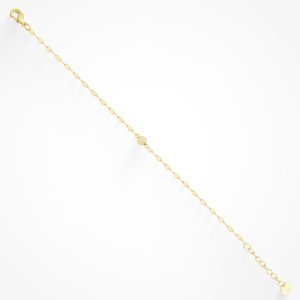
BEST SELLERS
Original price was: $20.99.$3.00Current price is: $3.00.
SHOP BY CATEGORY
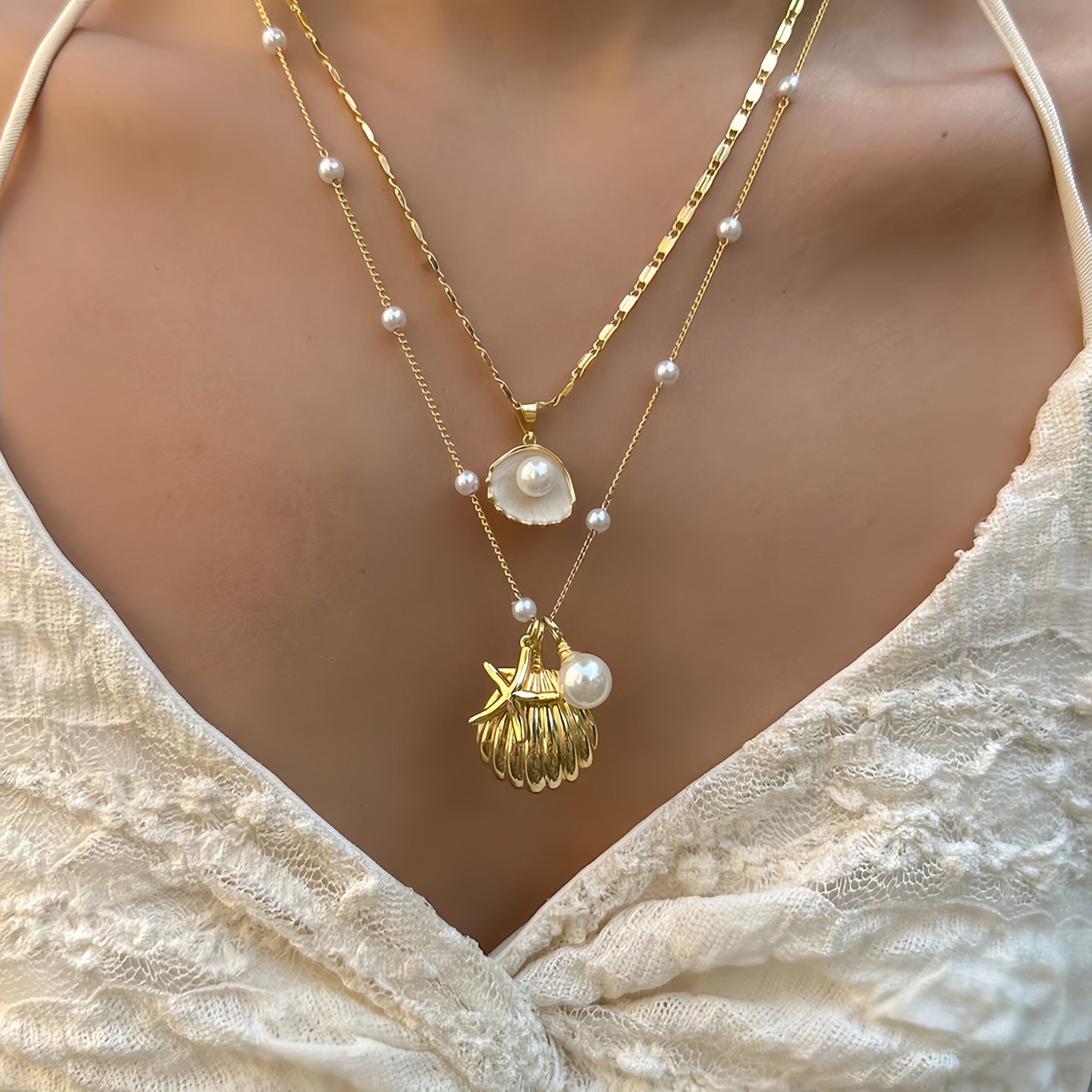
NECKLACES
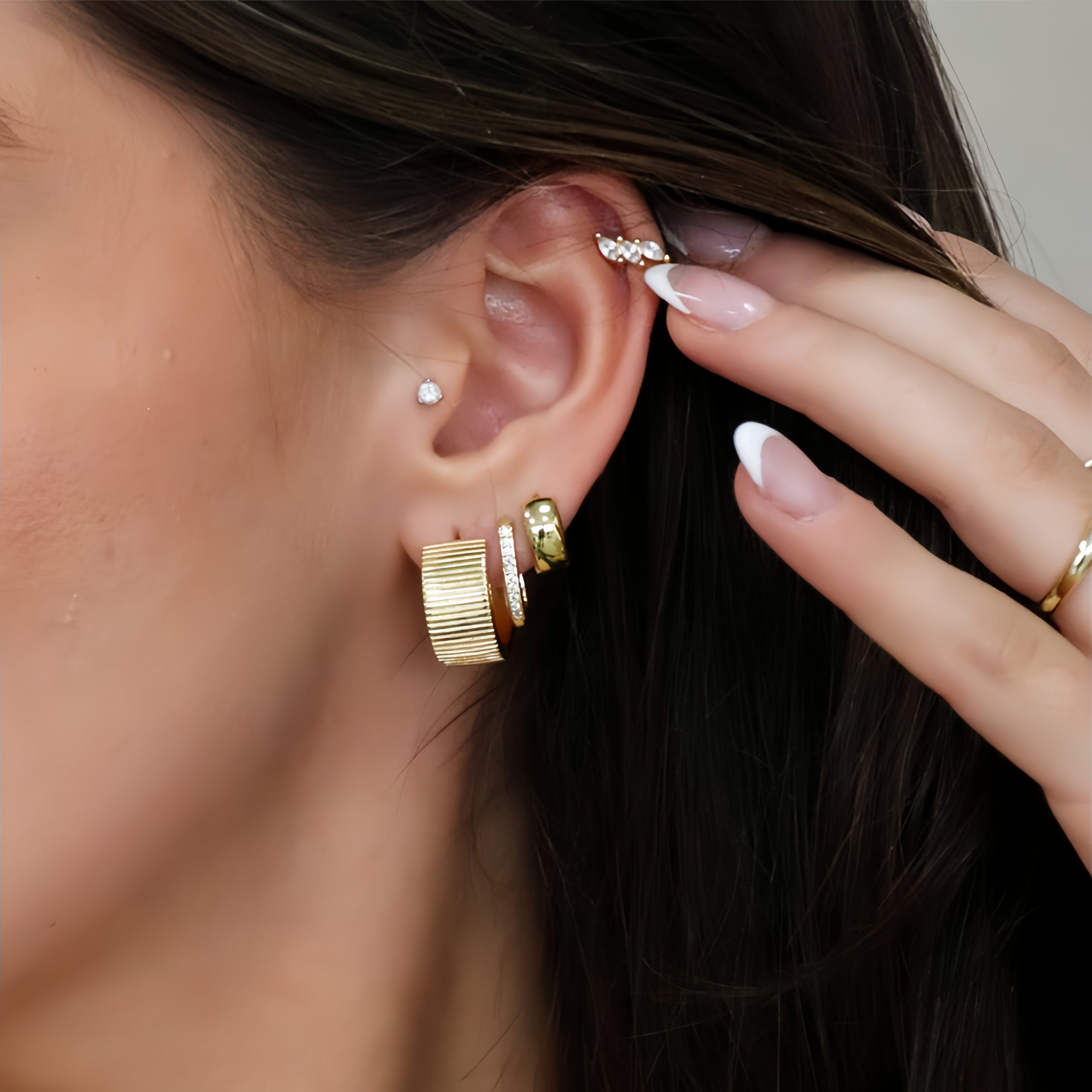
EARRINGS
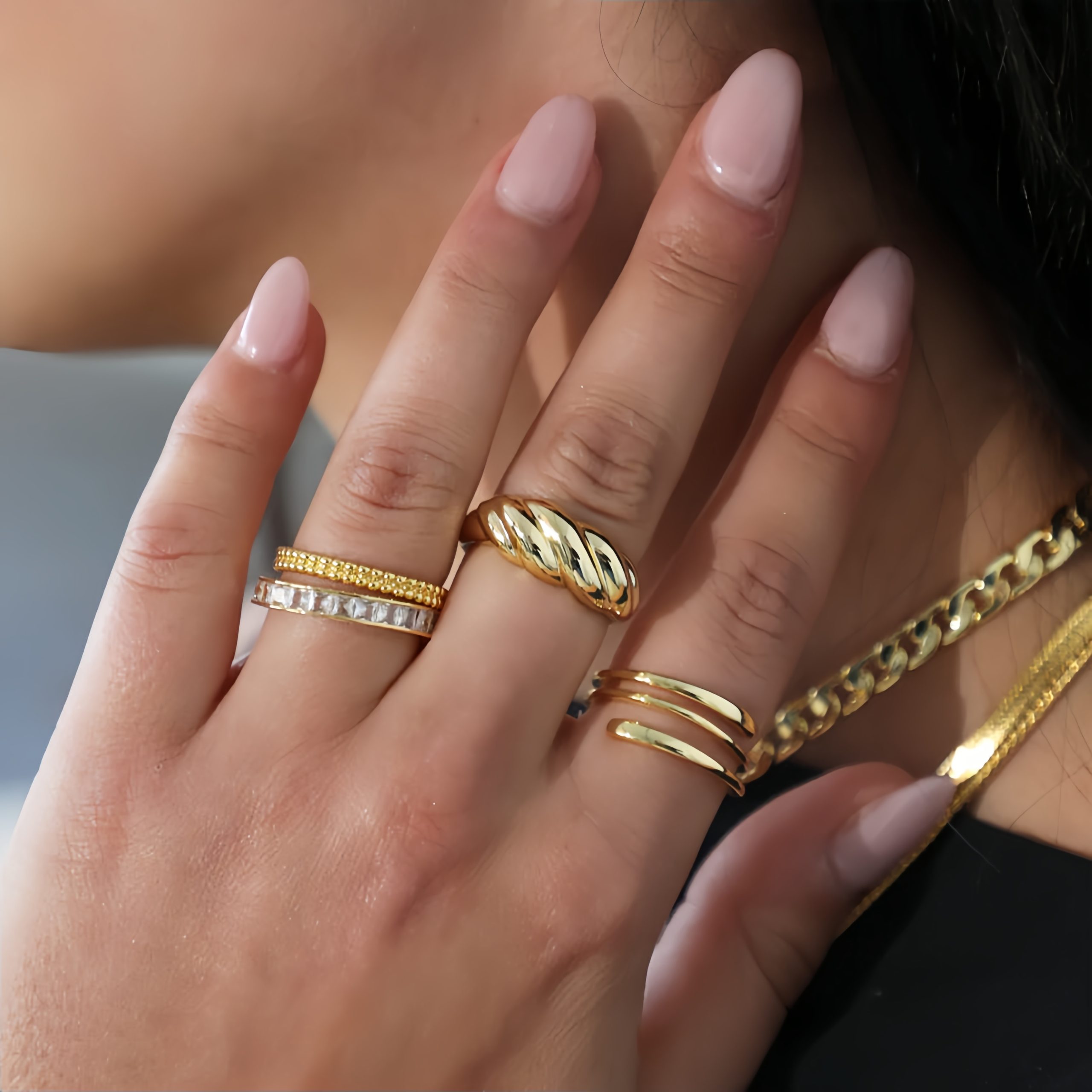
RINGS
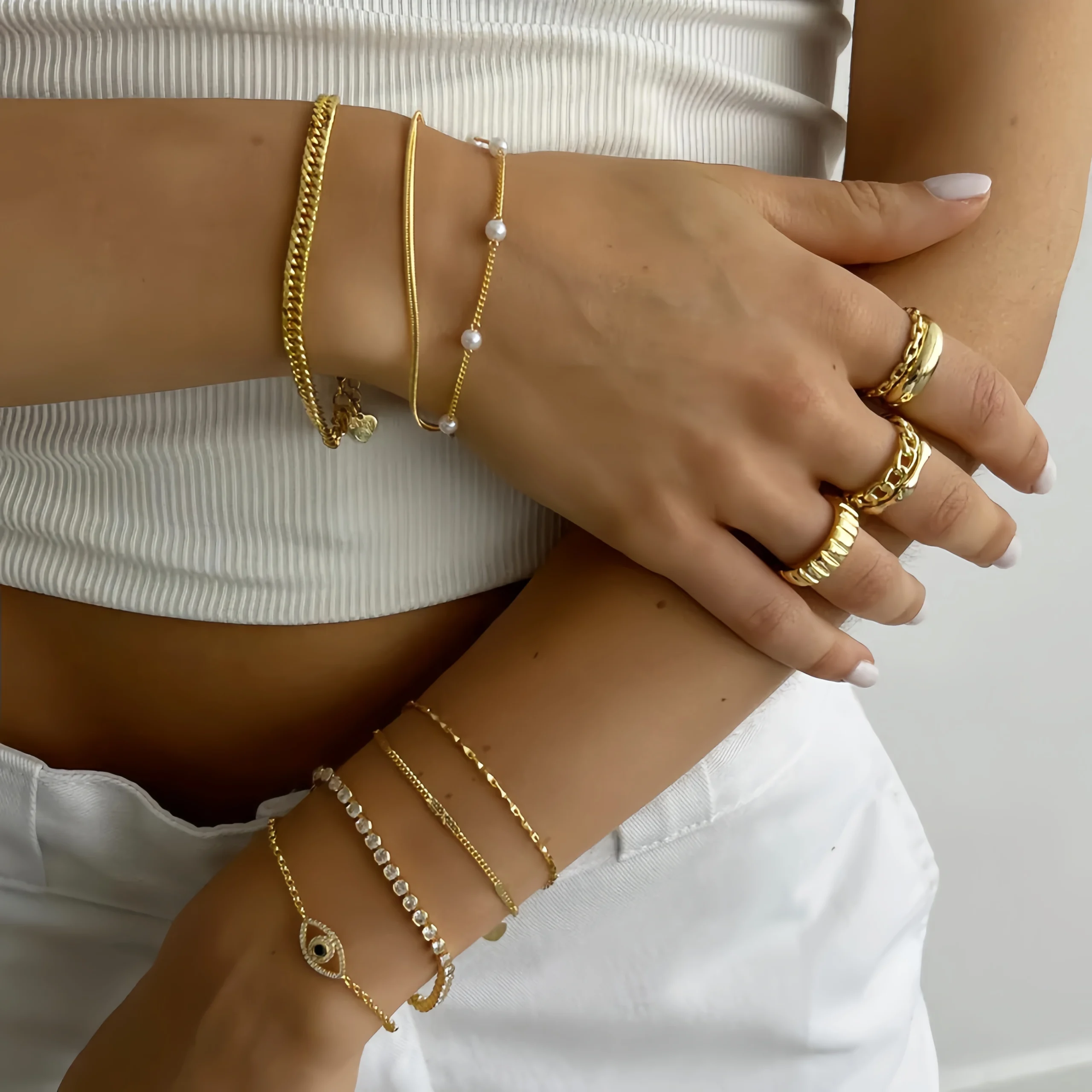
BRACELETS
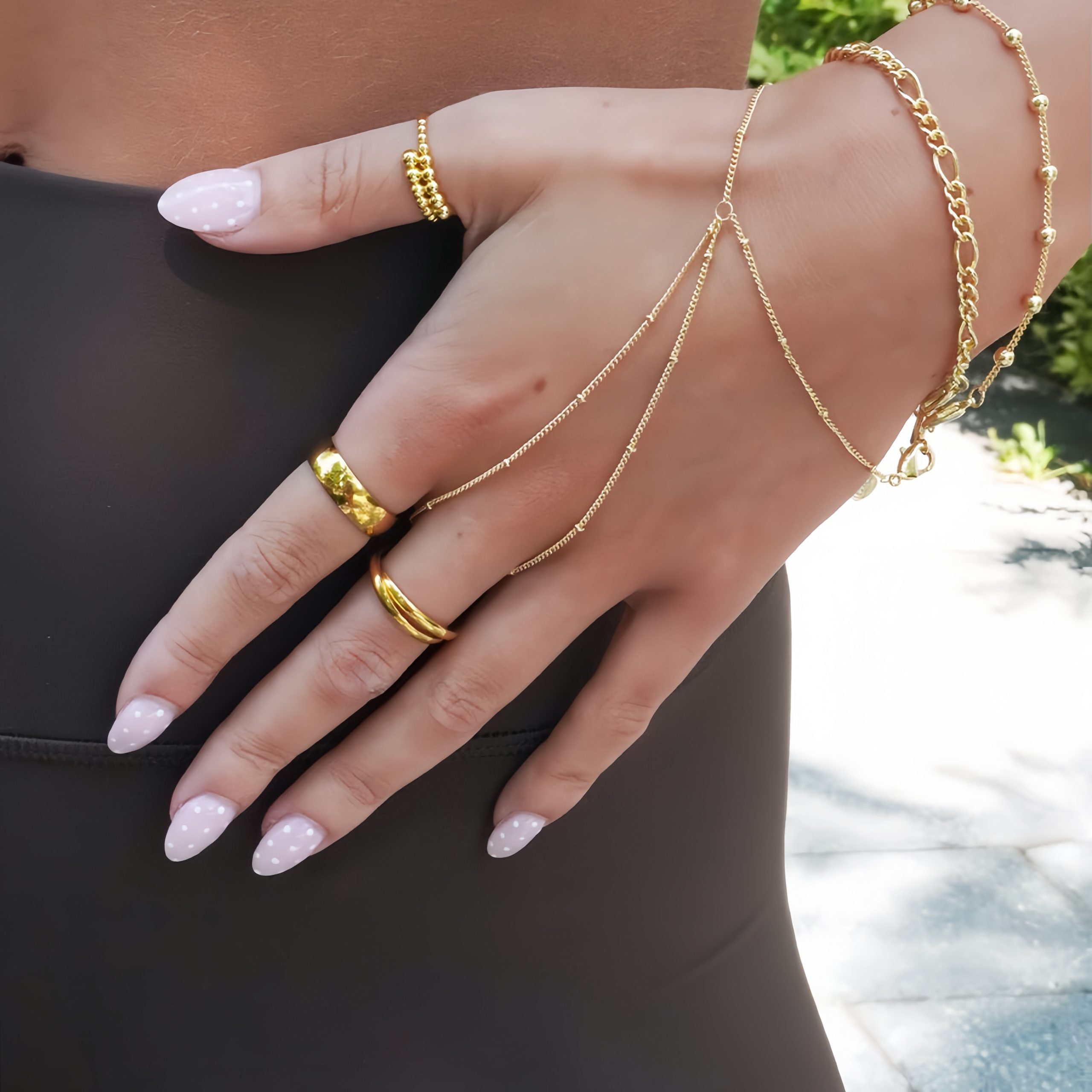
HAND CHAINS

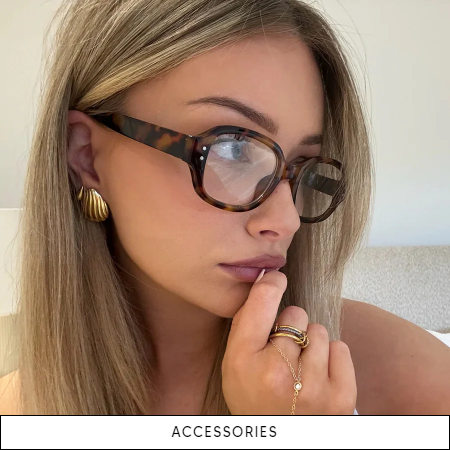
ACCESSORIES
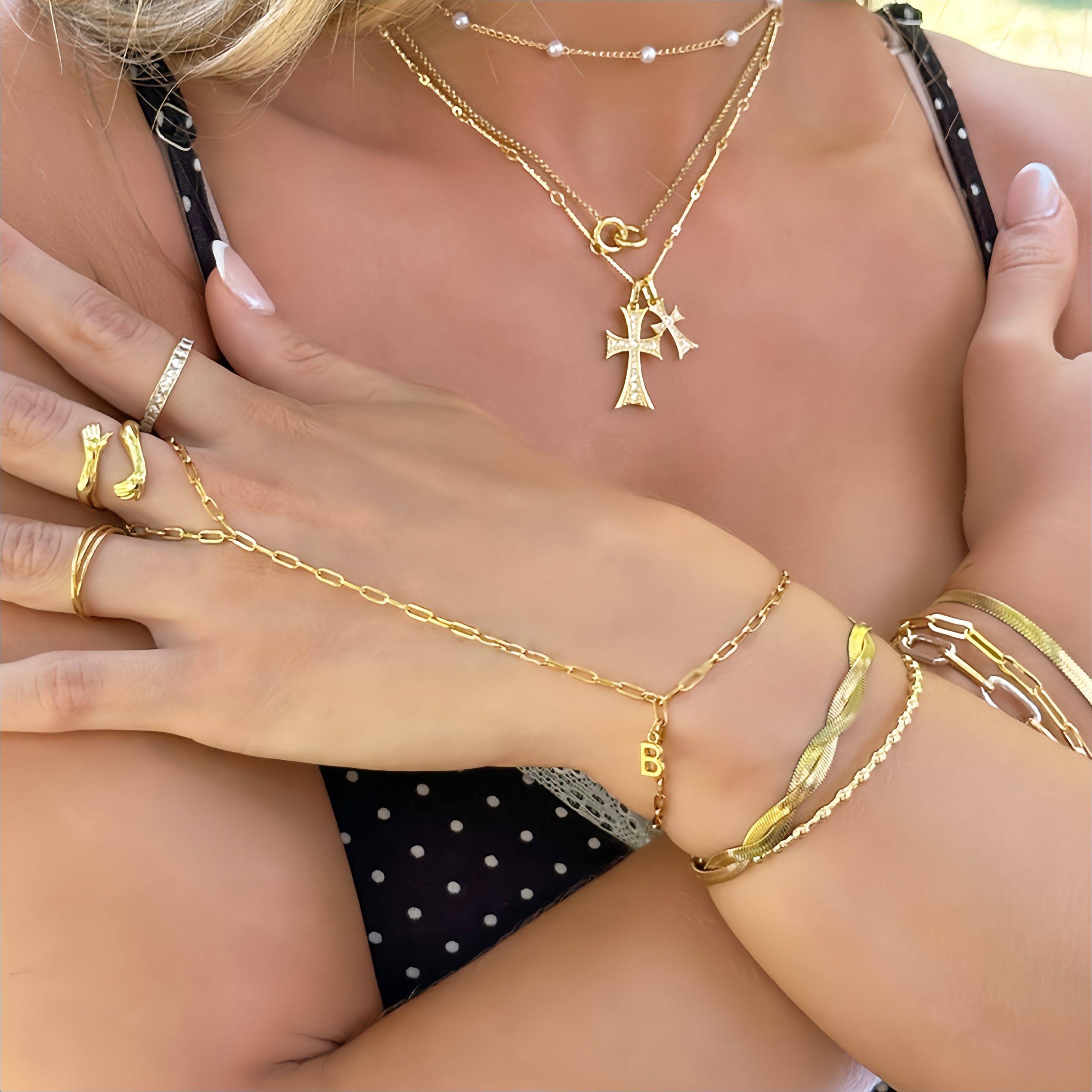
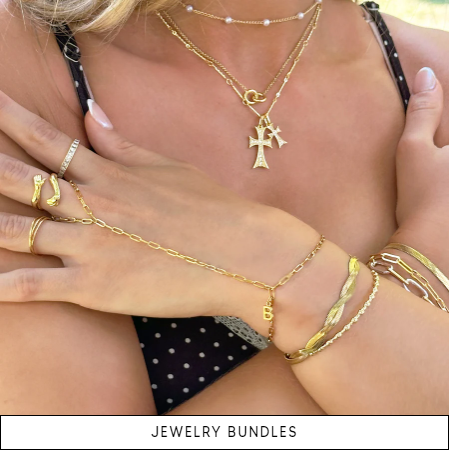
JEWELRY BUNDLES

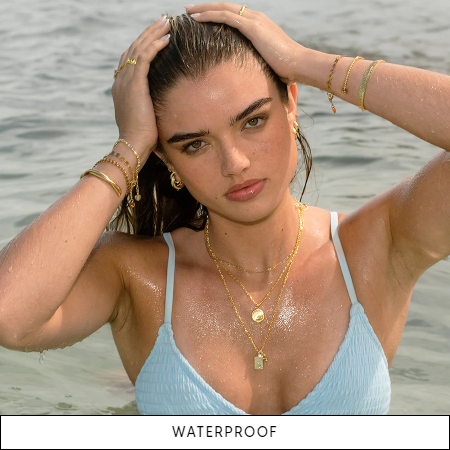
WATERPROOF
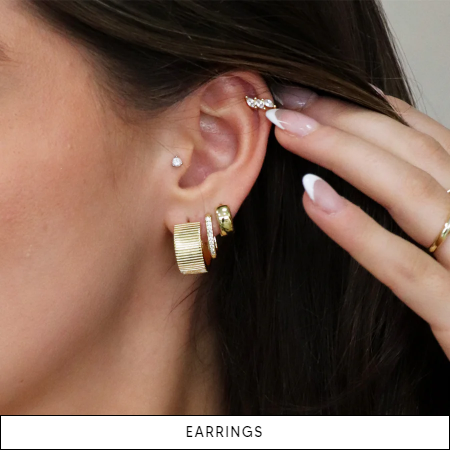
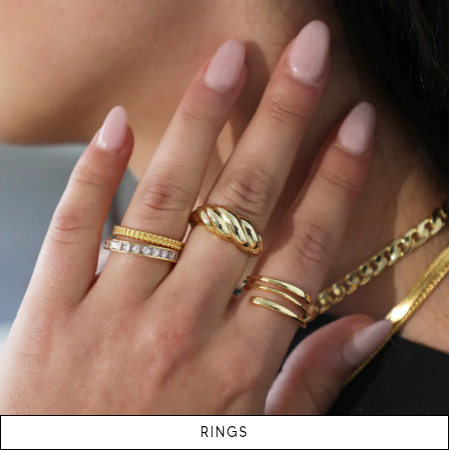
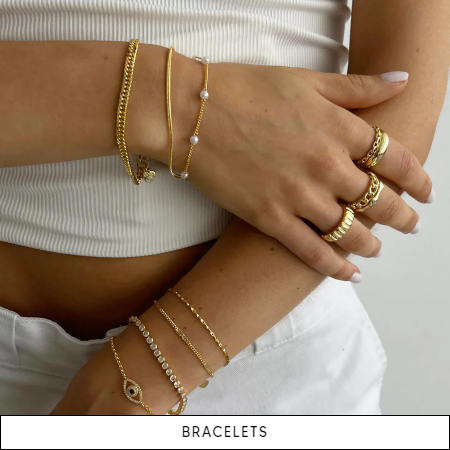
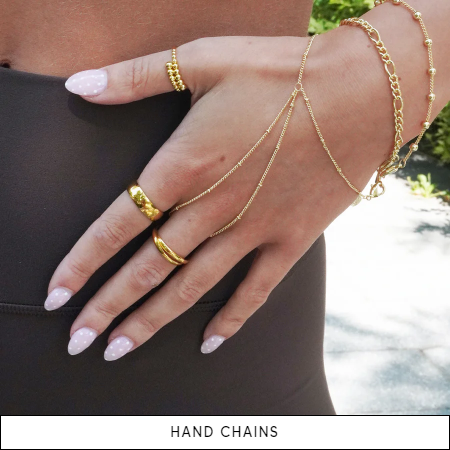
Shop The Latest Drop
Sale!
EVRY DEALS
Price range: $2.00 through $3.00
Sale!
BEST SELLERS
Original price was: $16.99.$3.00Current price is: $3.00.
Sale!
BEST SELLERS
Original price was: $16.99.$3.00Current price is: $3.00.
Sale!
BEST SELLERS
Original price was: $19.99.$3.00Current price is: $3.00.
Sale!
BEST SELLERS
Original price was: $19.99.$7.50Current price is: $7.50.
Sale!
BEST SELLERS
Original price was: $19.99.$3.00Current price is: $3.00.
Sale!
BEST SELLERS
Original price was: $19.99.$3.00Current price is: $3.00.
Sale!
BEST SELLERS
Original price was: $22.99.$3.00Current price is: $3.00.
Sale!
BEST SELLERS
Original price was: $19.99.$3.00Current price is: $3.00.
Sale!
BEST SELLERS
Original price was: $19.99.$3.00Current price is: $3.00.
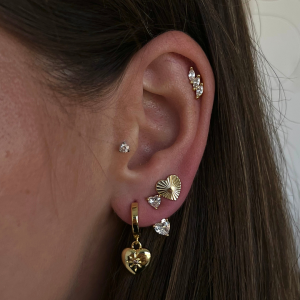

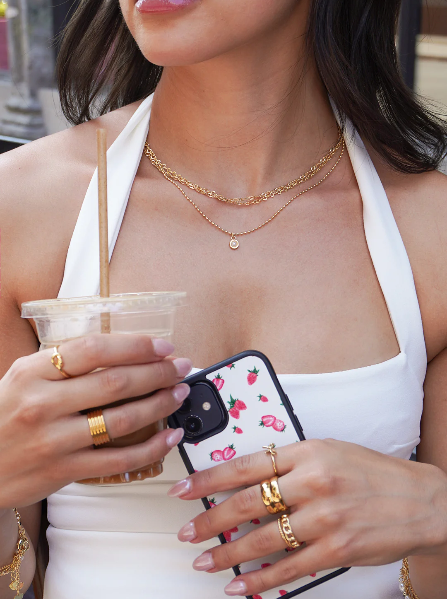
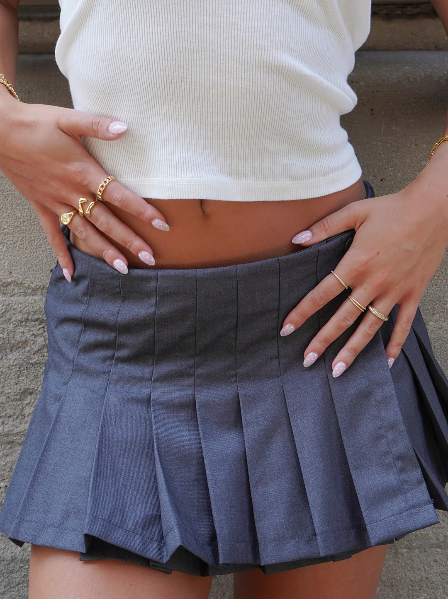
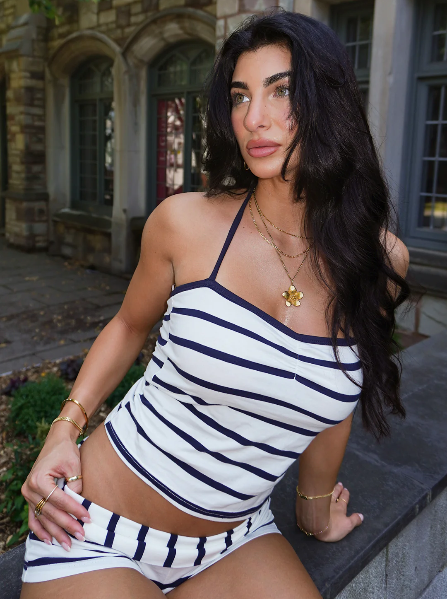
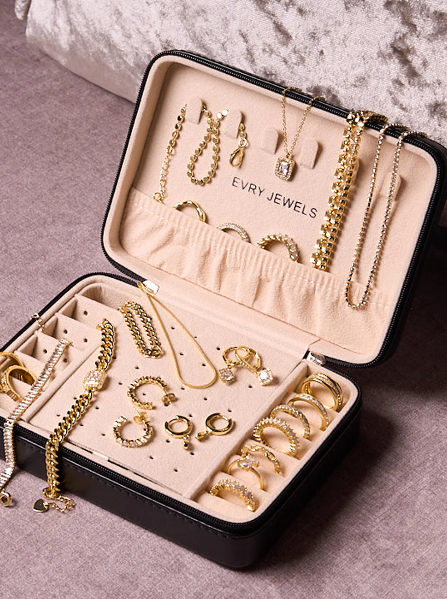
The Enduring Language of Adornment – Beyond Mere Decoration.
Adornment, in its myriad forms, has been an intrinsic part of the human experience since time immemorial. It transcends the superficial; it is a profound form of self-expression, a carrier of history, and a subtle, yet powerful, means of non-verbal communication. The pieces we choose to wear—be they delicate or bold, minimal or ornate—are far more than mere decorations. They are artifacts of personal narrative, encapsulating moments, memories, and aspirations. To understand the true value of these accessories is to appreciate them as an enduring language spoken across cultures and generations.
The history of personal ornamentation is inextricably linked with the history of human civilization. Early forms, fashioned from natural materials such as shells, bones, and stones, served multiple purposes. They acted as talismans, symbols of status, or markers of tribal identity. This primordial need to decorate the self speaks to a fundamental human impulse: the desire to stand out, to belong, and to imbue the physical world with meaning. The practice evolved from simple carvings to intricate metalwork, from pieces created by nomadic artisans to those crafted in sophisticated workshops. Each era brought with it a shift in materials, techniques, and aesthetic sensibilities, yet the core function remained constant: to elevate the wearer and tell a story.
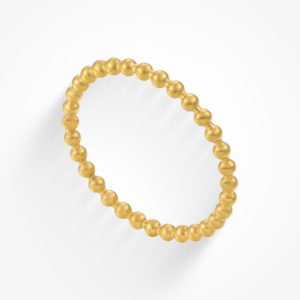
Consider the notion of personal significance. A piece might be cherished not for its material value, but for the story it holds. It could be an heirloom, passed down through generations, carrying the whispered legacies of family members long past. Wearing such an object is a way of holding history in one’s hand, a tangible connection to one’s roots. Alternatively, it might be a contemporary acquisition, marking a personal achievement, a significant milestone, or the beginning of a new chapter. That simple, circular band, for instance, often symbolizes an eternal promise, a commitment made to another person or even to a personal goal. The shimmer of a necklace or the gleam of a cuff links the past, present, and future into a singular, wearable form.
The power of accessorizing also lies in its ability to transform an outfit, elevating the mundane to the extraordinary. In the realm of personal style, accessories function as punctuation marks. They complete the sentence of an ensemble, lending it emphasis and character. A well-chosen accessory can pivot a look from daytime casual to evening elegance, or inject a much-needed pop of color or texture into an otherwise monochrome palette. Furthermore, they allow for sartorial experimentation without the commitment of a full wardrobe overhaul. One can embrace a completely new aesthetic—be it avant-garde, minimalist, or bohemian—simply by rotating the accessories that frame the face and adorn the body. This adaptability makes them the ultimate tool for personal style evolution.
Beyond aesthetics, there is a deep psychological aspect to the act of adorning oneself. The ritual of selecting and putting on a favorite piece can be a grounding, affirming experience. It is a moment of self-care and preparation, a final touch that instills confidence before stepping out into the world. Many wearers describe an almost armor-like quality to their most treasured pieces—a subtle boost of self-assurance, a reminder of inner strength. The subtle weight of a pendant, the gentle clink of bangles, or the flash of a ring can serve as a reassuring tactile anchor throughout the day, a private symbol of empowerment.
Moreover, the process of creation, from the initial design to the final polish, reflects an immense degree of craftsmanship and dedication. The skilled manipulation of elemental materials—metals drawn from the earth, stones cut and refined—is an art form in itself. Each facet, setting, and engraving represents hours of meticulous work, a testament to the artisan’s vision and mastery. By choosing pieces that celebrate this craftsmanship, wearers indirectly champion the preservation of traditional skills and the art of detailed, patient creation in an increasingly fast-paced world.
Ultimately, the desire to adorn is a testament to the human spirit’s capacity for beauty and meaning. These small, powerful objects serve as silent ambassadors, speaking volumes about the wearer’s taste, values, and journey. They are an intimate part of our daily lives, witnessing our triumphs and our challenges. They are more than just items of luxury or fashion; they are fundamental pieces of our cultural and personal tapestry, solidifying their place as an enduring, cherished form of human expression. The true appreciation for these accessories begins when we look beyond their sparkle and recognize the depth of the stories they are waiting to tell.